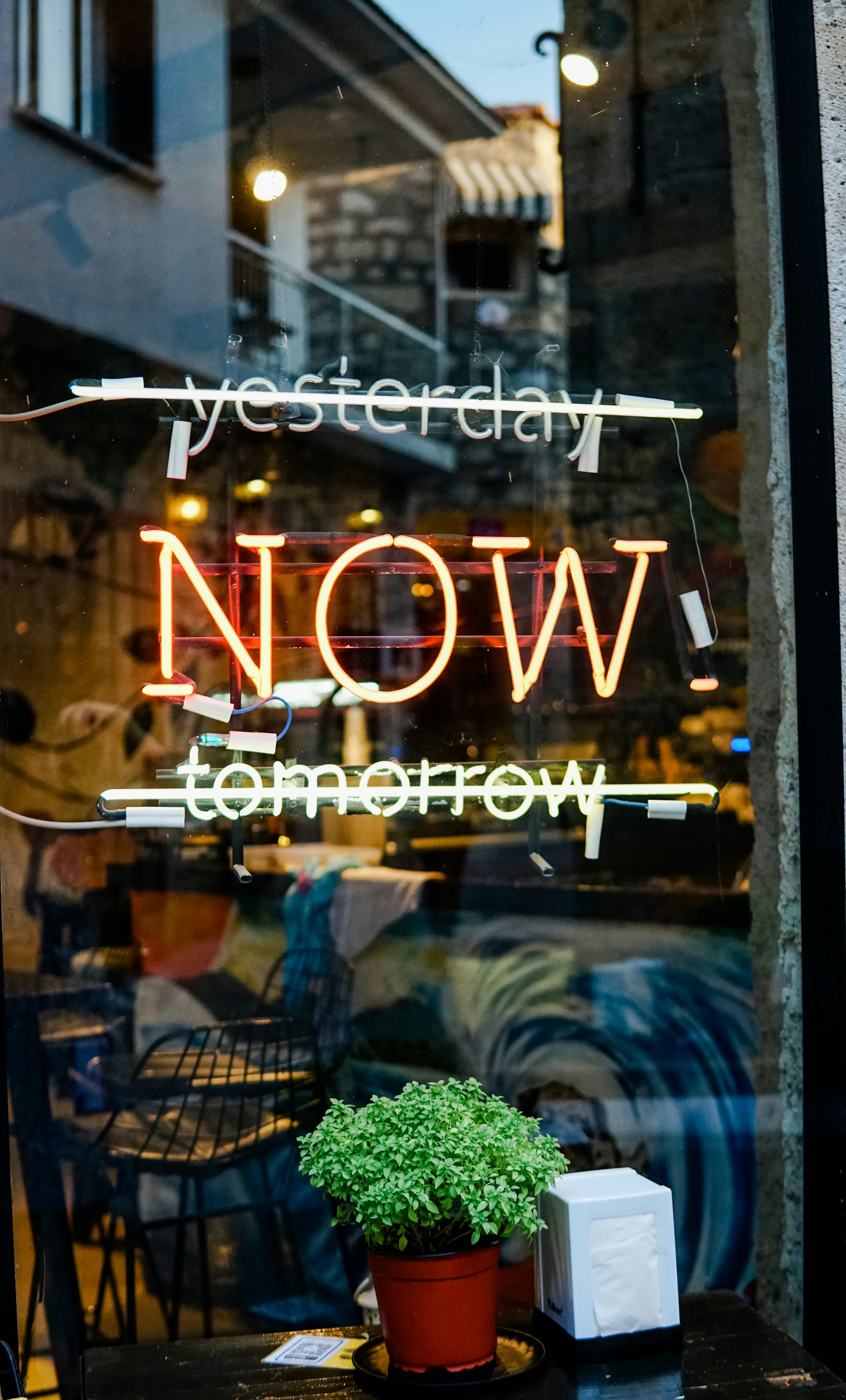
‘What would Bogdan do?’
Nadia Siddiqui on DigitalGenius’ toughest year - and the lessons learned
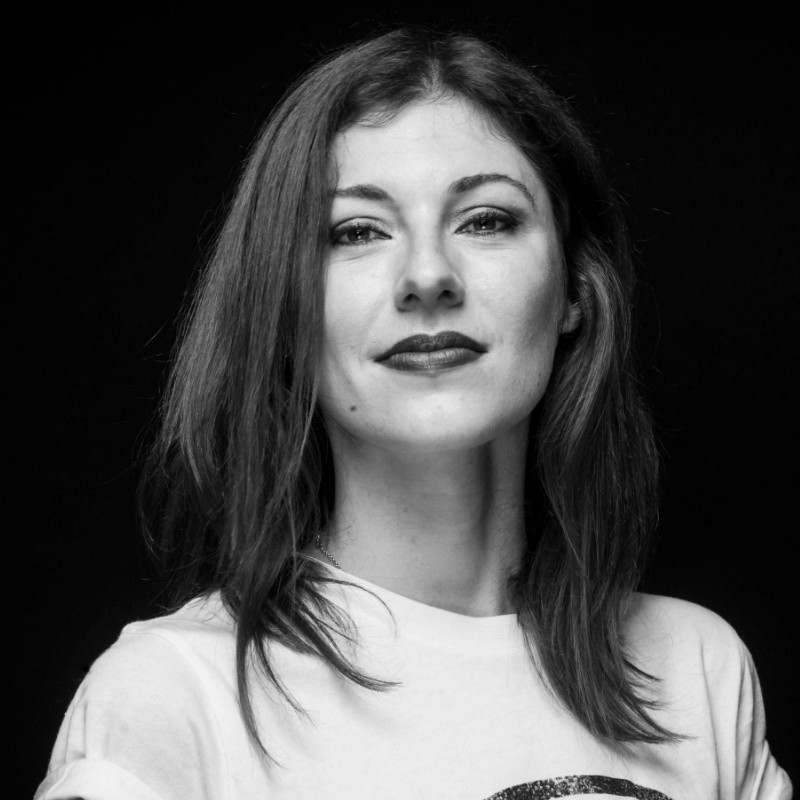

A female in tech is still very much a minority, but 12 years ago, when Nádia Siddiqui got hired, it was a rarity. Once DigitalGenius’ employee #4, she’s just been announced as the new VP of Product Experience & Design. As she sits down to reminisce on the journey, it’s not a moment, but a person that keeps coming to mind. Co-founder and former CEO, Bogdan Maksak, passed away last year, leaving Nádia, his then chief-of-staff, in the midst of one of the most challenging periods of her life. As she steps into this new role, she’s making sure she’s taking the heart of the company with her.
This is quite impressive: you've been in DigitalGenius (DG) for over 12 years. Does that make you the longest serving person at the company?
Yes, I'm part of the furniture (laughs). I've been at DG for 12 years, and I’ve seen the different phases of the company, which always feels like it's a new company every time. And, as well as being around for so long, we've also grown with the technology as it's evolved, because we were doing AI back then. Twelve years in AI is a long time. So yeah, it's been a roller coaster.
Do you remember the day you got hired? It must have been a little bit weird joining something so new.
It's actually a funny story, because I didn't know I was applying to an AI tech company at all. I saw the job ad on my university's Facebook alumni page - it was from a recruiter who said 'we have this role,' but never mentioned who it was for. It wasn't clear who the company was, so I actually thought I was going to join the recruiting company itself, as a video editor. The funniest thing! So it was a really big misunderstanding. When I got there, I was like 'what? DG? AI?' It was really bizarre. I found out what I was actually doing on the day.
That's how I ended up being interviewed by Dimitri [Aksenov, one of DG's founders]. It was an unusual interview, because we just chatted for a bit by the kitchen, nothing formal. Then he said, 'Actually, Nadia, could you work for us for the day?' And I was like, sure. I dove right in. Then at the end of the day, they all huddled in a corner - this is so funny, it was like a sitcom - they said 'just one minute,' and went into the corner, in the same room! Whispering to each other. Then they came back and said, 'you’ve got the job.' That was it.
 |  |
Do you still feel like you're in a startup?
I think the startup vibe is always here - with me, at least. That’s the culture we have, but because we've been around so long I'd say we're more of a mature startup now. We take the benefits of a startup - being agile, adapting quickly to what customers ask for - which a bigger company probably couldn't do because of all the processes involved. But it's about finding that sweet spot: being quick enough to change things when we need to, while still being thorough enough to feel safe with proper processes in place. We're trying to bring order to the chaos and finding that balance so we're not too corporate, but also not back to where we were 12 years ago.
You've gone through different roles, seen so many changes, different stages of leadership over these 12 years. What's a moment that sticks out?
We grew a lot - we had offices in New York and San Francisco, we were working with clients from different sectors - and then we became small again. We had to downsize, go back to the drawing board, and figure out what wasn't working and why we couldn't reach the outcome we wanted. That's when Bogdan became CEO and decided to focus on e-commerce. It was our last chance, I'd say, to make things work.
What year was that?
We did the e-commerce pivot around 2018, so just before COVID. Before that we were already focused on customer service, but working with clients in different industries, from airlines and manufacturing companies to education. It just wasn’t sticking. The technology wasn’t there yet either. The focus on e-commerce was a good bet, because then, luckily enough, COVID happened and everyone was online shopping, and that just boosted the need for DG. It definitely changed everything that we were looking into and validated the choice to focus on e-commerce.
It also proved that having more people doesn't mean you'll get more done. It’s more important to have key, trustworthy people and a good foundation, versus lots of people who aren't doing what you need them to. It's just harder to manage, or to move the needle, with all the office politics that comes with having a lot of people in the company.
On that note of key people, what's a lesson from Bogdan that you still use every day?
The 'what would Bogdan do?' question always comes to mind - that's definitely one I go to if I'm thinking through a certain situation. Bogdan was a problem solver. Even if it had nothing to do with his sector, he'd be like, what can I do to solve this? He approached things in a can-do way. ’No' wasn't an answer for him. He'd also make sure that if he didn't know the answer, he'd bring in different people and make them as invested in the problem as he was. Like, it's not my problem, it's our problem, and we need to get there for this customer. That's definitely something I carry with me. And then there’s following your gut. With tech, you always want to double-check everything, but most of the time, if you get a nudge about something, it's usually right because after 12 years, you are the expert. So don't second-guess yourself.
 |  |
Would you say that working with him made you more confident?
Oh, absolutely. When I started at DG, I was the only woman in the office - and on most of the companies on our floor, for two or three years. We'd have interns who were women, which was great, but they were never permanent. In the product team, for the longest time, I was the only girl - that changed later as we expanded and started focusing on it more. But it's hard being around men all the time, especially in tech. Being the minority every time is hard.
And in Design, I'd get comments like 'oh, it doesn't matter, just make everything pink.' I'll never forget that one. It was worse before. Now we're getting better and having more diversity and a lot more women in tech. Not as much as I'd like, but way better than we were.
But Bogdan never made me feel any less. He was big on user experience and that gave me the confidence that what I was doing mattered.
That confidence clearly paid off. Let's talk about your move to VP of Product Experience & Design.
I'm happy to be moving into this role, because I was wearing a lot of different hats. Culture is something I care about, but my calling is to focus on the whole experience of the product, end-to-end, and really deep-dive into our features with customers, how they're using it, and get that strong feedback.
Design and AI should be at the same level. Design cannot live in yesterday's interface, and neither can AI. That’s one reason I'm excited about this role: I get to really elevate the importance of these two actually being on par. If not, I would say Design is a little bit more important, but that's me being biased (laughs).
You see that with companies like Apple. Their phones are so easy to use, because they keep pushing boundaries and breaking the rules. We're working with tech that lets us do exactly that: shape how users think based on what's new. That’s what excites me. It's the only way to really evolve and take that futuristic, innovative approach.

Looking back at your time as Chief of Staff and working directly with Bogdan, what was your biggest challenge?
As he started to get sick, it was harder to find the line between privacy and being able to tell people what's happening. That was really hard to deal with, and it felt quite lonely at times. And then, of course, when he passed, having to tell the team.
This is not just a 9-to-5. We're a very close team. There are 10 people or more who’ve been working here for seven, eight years, who knew Bogdan very well, and who’ve stayed because of him. So telling anyone this news was awful, and I wanted to make sure it was done properly, not in an email. We couldn't tell everyone in person, so we made a point of calling everyone. Going through it again and again with the people closest to him, and with myself… It was one of the hardest things I've ever done, but I'm glad we did it that way. Then making sure people were okay afterwards, giving them time, then checking back in. That went on for weeks. And then, how do you tell the customers who were close to him too? There's no playbook for it. I had to put my “DG-mother” hat on and remind myself that this isn't about work anymore, this is about people, their feelings, and their mental health. That was what I was most worried about. We immediately brought in Spill, an employee benefit for anyone wanting to do online therapy on the go, completely anonymous. We can't see who's using it, only that it's being used. And it was used a lot in those months after he passed.
Then the funeral - one thing would finish, and another would start. This past year has been like that. It felt like a movie. He's still on our Slack. There are things in Notion he wrote that we haven't touched. Some things we just can't remove yet, because it's tough.
He wasn't just a boss, was he?
No. More than a boss, he was a leader. He really made you feel valued, like you were a leader in your own right. He’d encourage you to come up with the idea. All the questions he would ask would bring that out of you. You wouldn't doubt yourself.
And that's how leaders should be. You should empower your team to shine, not you. He was already a leader at 19 years old, when he was finishing university and starting DG at the same time. That's the level of genius he is, yeah. He was.

Miss you everyday B 💜