"Nothing Prepares You for That"
Chris Kellner on leading DigitalGenius through loss and into the AI era
5.5 min read

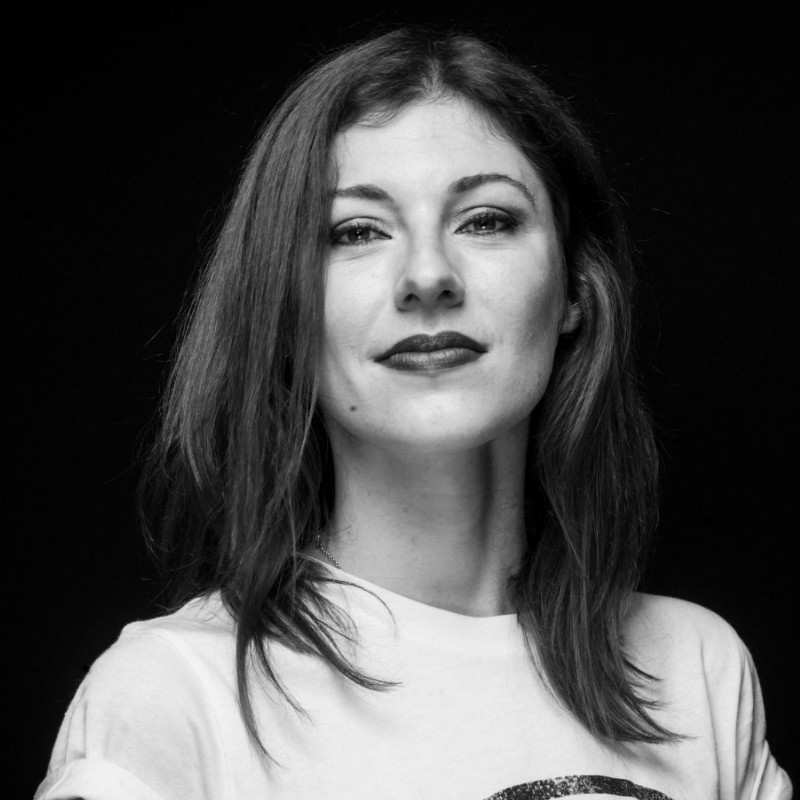
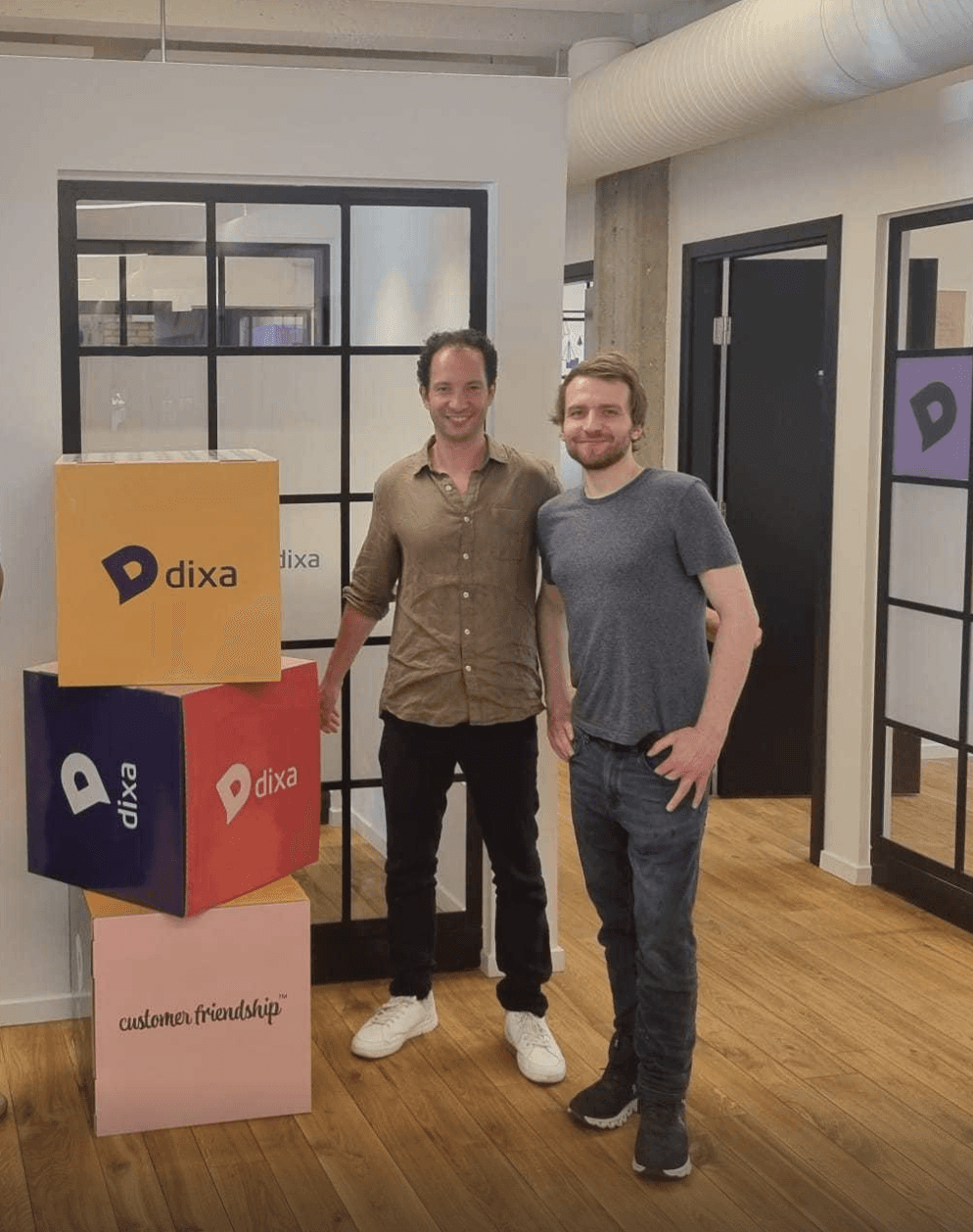
Chris Kellner just celebrated his 10th anniversary at DigitalGenius (DG). Following the passing of co-founder and visionary Bogdan Maksak, last May he became DG’s new CEO. From the company’s first commercial hire in Europe to CEO, Kellner has lived through every chapter of the DG story.
Now, he is writing the next one.
What advice would you give yourself walking into that first interview?
I’d say ‘keep an open mind’. You never know what the future might hold. Early in your career, you can spend so much time trying to future-proof yourself that you lose sight of the present. Moving around when you’re young is a great experience, but if you’re always looking ahead, you risk missing the opportunities opening up right in front of you.
Did you ever imagine you’d end up as CEO?
Honestly, no. Never. Not even when Bogdan was sick. We couldn’t really bring ourselves to think of what would happen next.
Ten months in, do you feel like you’ve now settled into the position?
At the beginning, it was genuinely an honour given the situation that we had. The fact that a lot of the team expected it to happen and believed in me was really reassuring. But stepping up when your founder and CEO has just passed away and the company is running out of money. Nothing would prepare you for that. We had to raise some money fast. Fundraising and sales are not that dissimilar. What’s different is that I’m now leading people across every function, not just a sales team, so I’ve had to adapt my approach. Ten months in, it feels quite natural. I’m lucky to have a strong support system I can call on for things outside my experience, especially around investor relations.
Taking over from a founder can come with both continuity and pressure to change things. What felt most important to preserve at DG? And where did you see room to do things differently?
Given the circumstances, the guidance I was given early on was: don’t do too much, too quickly. The first priority was keeping the people we wanted to keep. Preserving the talent and making sure we had a really strong strategy going forward that everyone believed in and was excited about. That was the key goal. Now, with everything happening in AI, we need to move from being a software company to being genuinely AI-native, not just in what we sell, but in how we operate. We need to be on our toes, not our heels anymore because for software companies the world out there is quite scary.
You worked closely with Bogdan for many years. What lessons from him do you still carry into your leadership today?
His vision, above all. Bogdan built this company. We’re here because of him. I’m not a founder. I’m also not a tech person. I’m commercial. So I lean on the team to help carry that vision forward. He had an amazing way with people, but what I try to embody myself is the way he inspired everyone to work really hard and challenge preconceptions, pushing innovation to the limit. He had a real gift for listening and then knowing when to put his ideas forward. I try to do the same.
How has your background in sales shaped the way you lead the company today?
Sales is fundamentally about people, and so is being a CEO. I’m still spending a lot of my time with customers and prospects so I can bring the same skills from what I was doing before. I think salespeople are inherently curious and really question every decision. Is it the right decision? Why? What’s driving it? Where do we want to go? Good salespeople are always mapping risk, figuring out what can go wrong and how to get ahead of it. That’s the same job. The difference is the time horizon. As a salesperson or a sales leader, maybe you’re looking one or two quarters out. As a CEO, you’re thinking two, three, four years out. Some people shy away from difficult decisions. As a CEO, you don’t really have the opportunity to do that. You need to embrace challenges, difficult issues, and figure out how you find a way through them.
The last year has seen a huge acceleration in AI. What do you think will separate companies that thrive from those that fall behind? And where does DG fit into that?
The ones that thrive will be the ones that are either already an AI company or fast enough to transform their business from software to an AI company. At DG we’re lucky; we’re an AI company so we were very much already ahead of the curve. But we still have work to do internally to make sure we’re truly AI-first, not just externally. The ones that won’t make it are the larger incumbents: inefficient, reliant on manual low-value work, too slow to change. They’ll get crowded out by leaner, newer entrants who were built AI-native from day one.
In the age of AI, what do you think is the most important human trait we should be focused on developing?
The obvious answer is knowing how to use AI effectively, but that’s not a long-term differentiator because everyone will get there. What I think matters more, at least for now, is human-in-the-loop supervision. AGI (Artificial General Intelligence) is still a long way off. Complex problems still need humans to work through the nuance, to apply judgment, to catch what the model misses. That supervisory role, knowing when to trust the AI and when to interrogate it, that’s where the real skill is.
Is there a specific thing DG is doing right now that you’re particularly excited about?
We’ve built our reputation on automating complex customer service for e-commerce brands. But where things get really interesting is the next step: using AI to create genuinely personalised experiences. That could be a guided shopping journey on a website, a proactive agent that anticipates your problem before you’ve even articulated it, fully customised interactions. That’s what we’re focused on now. Not just resolving issues, but building experiences people actually remember.
What does fun look like for you?
I have a three-year-old child, so most of my joy outside of work revolves around him. We have quite a nice tradition with a few of my friends where we go to the pub on a Sunday evening for an early dinner and take all of our kids with us. They play together and we hang out. Between work and my son, that’s pretty much my life right now - and I wouldn’t have it any other way.